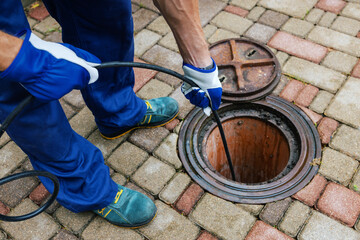
Imagine waking up one morning to find slow-draining sinks, unpleasant odors lingering around your property, or worse, sewage backing up into your home. These are problems no property owner wants to face, yet they are often the result of one overlooked responsibility: septic system maintenance. While septic systems are designed to operate quietly and efficiently for many years, they require regular care to function properly.
Understanding how to maintain a septic system can help prevent expensive repairs, protect the environment, and ensure reliable wastewater treatment for the long term. Visit https://septic-guys.com/ for more information.
Understanding How a Septic System Works
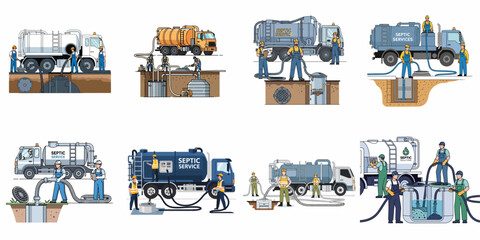
Before discussing maintenance practices, it is important to understand the basic operation of a septic system. A septic system is an underground wastewater treatment structure that processes wastewater from sinks, toilets, showers, washing machines, and other household sources.
Wastewater flows from the property into the septic tank, where solids settle to the bottom and form a sludge layer. Oils, grease, and lighter materials rise to the surface and create a scum layer. Between these layers is partially treated liquid wastewater, known as effluent.
The effluent exits the septic tank and moves into the drain field, where it is filtered naturally through soil. This process removes contaminants and allows treated water to return safely to the environment. When any part of this system becomes overloaded or damaged, performance declines and costly issues can occur.
Why Regular Septic System Maintenance Matters
Many people assume that a septic system can operate indefinitely without attention. In reality, regular maintenance is essential for preserving efficiency and preventing failures. Over time, sludge and scum accumulate inside the septic tank. If these materials are not removed, they can reduce the tank’s capacity and interfere with wastewater treatment.
Routine maintenance helps prevent blockages, drain field damage, unpleasant odors, and sewage backups. It also extends the lifespan of the septic system, which can save property owners significant amounts of money over time.
In addition to protecting the system itself, proper maintenance safeguards groundwater and nearby water sources from contamination. A malfunctioning septic system can release harmful bacteria, nutrients, and pollutants into the surrounding environment, creating health and environmental concerns.
Regular inspections and maintenance provide an opportunity to identify minor problems before they develop into major repairs. This proactive approach is generally far more affordable than dealing with a complete system failure.
Essential Components of Septic System Maintenance
Effective septic system maintenance involves several important tasks that work together to keep the system functioning properly.
One of the most critical maintenance activities is septic tank pumping. As solids accumulate inside the tank, they must be removed periodically to prevent overflow and system overload. The recommended pumping schedule varies depending on tank size, household occupancy, and water usage habits.
Regular inspections are equally important. During an inspection, a professional evaluates the condition of the tank, baffles, pipes, and drain field. These inspections help identify cracks, leaks, root intrusion, or other issues that may compromise performance.
Monitoring water usage also plays a significant role in septic system health. Excessive water entering the system can overwhelm the tank and drain field, reducing treatment efficiency. Conserving water and spreading out activities such as laundry can help maintain proper system balance.
Proper waste disposal habits are another essential aspect of maintenance. Septic systems are designed to process human waste and biodegradable materials. Introducing inappropriate items can disrupt system operation and increase the likelihood of blockages.
Common Signs of Septic System Problems
Recognizing early warning signs can help prevent extensive damage and expensive repairs. Several indicators may suggest that a septic system requires attention.
Slow drains throughout the property often indicate a developing blockage or excessive accumulation of solids within the tank. While a single slow drain may be caused by a localized plumbing issue, multiple slow drains often point to a septic system concern.
Persistent odors near drains, the septic tank, or the drain field can signal treatment problems or waste buildup. These smells should never be ignored, as they frequently indicate that the system is not functioning properly.
Standing water near the drain field is another warning sign. Excess moisture may suggest that the drain field is becoming saturated or that wastewater is not being absorbed effectively.
Unusually green or lush vegetation over the drain field can also indicate wastewater leakage. While healthy grass may seem beneficial, excessive growth in one area can be a sign that nutrients from wastewater are reaching the surface.
Gurgling sounds from plumbing fixtures may occur when air becomes trapped within partially obstructed pipes. In more serious situations, sewage backups inside the property may occur, requiring immediate professional attention.
Best Practices for Protecting Your Septic System
Maintaining a healthy septic system requires consistent habits and responsible use. Small daily decisions can have a significant impact on system longevity.
Water conservation is one of the most effective strategies. Fixing leaking faucets, installing efficient fixtures, and avoiding excessive water use can reduce strain on the system. Large amounts of water entering the tank too quickly can prevent solids from settling properly and interfere with treatment processes.
Proper disposal practices are equally important. Only human waste and septic-safe toilet paper should be flushed. Items such as wipes, paper towels, feminine hygiene products, cotton swabs, and dental floss can cause blockages and damage.
Kitchen habits also affect septic system performance. Excessive grease, fats, and food scraps should never be poured down drains. These materials can contribute to clogs and increase scum accumulation inside the tank.
Landscaping considerations should not be overlooked. Trees and shrubs with aggressive root systems can infiltrate pipes and septic components. Maintaining appropriate distances between vegetation and the septic system helps reduce the risk of root-related damage.
Avoiding heavy vehicle traffic over the septic tank and drain field is another important practice. Excessive weight can compact soil, damage pipes, and reduce the effectiveness of wastewater treatment.
The Importance of Professional Inspections
While property owners can take many steps to support system health, professional inspections remain a crucial part of septic system maintenance. Trained technicians possess the tools and expertise necessary to evaluate system performance accurately.
During an inspection, professionals assess sludge and scum levels, inspect structural components, and verify that wastewater is flowing correctly through the system. They can also identify subtle warning signs that may not be visible to the average property owner.
Routine inspections provide valuable information about maintenance needs and help establish appropriate pumping schedules. They also create a maintenance history that can be useful for future property transactions or system evaluations.
Scheduling inspections at recommended intervals allows potential problems to be addressed early, minimizing disruption and repair costs.
How Maintenance Extends Septic System Lifespan
A properly maintained septic system can provide reliable service for decades. Conversely, neglect can significantly shorten system lifespan and lead to expensive replacements.
Regular pumping prevents excessive sludge accumulation that could otherwise enter and damage the drain field. Since drain field replacement is often one of the most expensive septic repairs, protecting this component is especially important.
Routine inspections help identify structural issues before they worsen. Small cracks, minor leaks, and developing blockages can often be repaired relatively easily when detected early.
Responsible water usage and proper waste disposal reduce wear and tear on system components. By maintaining balanced operating conditions, property owners can help ensure that the system functions efficiently for many years.
Consistent maintenance also improves treatment effectiveness, reducing environmental impact and helping preserve surrounding soil and groundwater quality.
Final Thoughts
Septic system maintenance is one of the most important responsibilities for any property owner relying on an onsite wastewater treatment system. Regular inspections, timely pumping, water conservation, and proper waste disposal practices all contribute to efficient operation and long-term reliability. By understanding how a septic system works and taking proactive steps to care for it, property owners can avoid costly repairs, protect the environment, and extend the life of their investment. A well-maintained septic system delivers dependable performance year after year, making routine maintenance a worthwhile commitment for long-term peace of mind.