When disaster strikes, whether from water damage, fire, storms, or unexpected structural failure, the aftermath can feel overwhelming. The visible destruction is only part of the problem. Hidden moisture, structural instability, contamination, and lingering odors can create long-term damage if not addressed quickly and professionally. This is where a professional Utah Disaster Cleanup service becomes not just helpful—but essential.
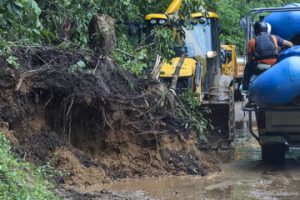
Unlike routine cleaning or minor repairs, disaster cleanup involves specialized expertise, industrial-grade equipment, and a strategic response plan. The goal is not only to remove debris and visible damage but also to restore safety, prevent secondary issues, and protect the long-term integrity of the property. In moments of crisis, fast and thorough action can make the difference between full recovery and prolonged complications.
Understanding What Disaster Cleanup Really Involves
Many property owners assume disaster cleanup simply means removing damaged materials. In reality, it is a comprehensive process that addresses environmental hazards, structural stability, and health concerns. Professional disaster cleanup services focus on mitigation first—stopping further damage—before moving into full restoration.
After a major incident, the environment inside a building can become unsafe. Water intrusion can weaken foundations and promote mold growth. Fire damage leaves behind soot and harmful residues. Storm debris may compromise structural elements. Attempting to handle these challenges without professional guidance often leads to incomplete repairs and ongoing risks.
Disaster cleanup professionals are trained to evaluate the scope of damage thoroughly. They identify both obvious destruction and hidden vulnerabilities that may not be visible at first glance. This detailed assessment ensures that nothing is overlooked during the recovery process.
The Importance of Immediate Response
Time is one of the most critical factors in disaster cleanup. Delays can lead to secondary damage that significantly increases repair costs and health risks. Water damage, for example, can begin causing structural deterioration and microbial growth within hours. Smoke residue from a fire can permanently stain surfaces if not treated promptly.
Here are two primary reasons why rapid disaster cleanup response matters:
- Prevention of Secondary Damage
Moisture spreads quickly, and contaminants can seep into walls, insulation, and flooring. Immediate mitigation helps limit the spread and reduce the extent of required repairs. - Health and Safety Protection
Floodwater may contain bacteria and harmful substances. Fire-damaged structures can release toxic particles. Swift professional cleanup reduces exposure risks for occupants.
A reliable disaster cleanup service operates with urgency, often providing emergency response capabilities to stabilize the property and prevent escalating damage.
Water Damage Cleanup: More Than Surface Drying
Water-related disasters are among the most common property emergencies. Burst pipes, heavy rainfall, and appliance failures can flood interiors in a matter of minutes. While visible water can be removed quickly, hidden moisture trapped within walls and subfloors poses a serious threat.
Professional disaster cleanup services use advanced moisture detection tools to locate hidden water pockets. High-powered extraction equipment removes standing water, while industrial air movers and dehumidifiers accelerate the drying process. This comprehensive approach helps prevent mold growth and structural weakening.
Without professional intervention, water damage often leads to long-term complications such as warped flooring, compromised drywall, and persistent odors. Thorough drying and sanitation are essential to restoring a safe indoor environment.
Fire and Smoke Damage Restoration
Fire damage presents a unique set of challenges. Even after flames are extinguished, smoke and soot can penetrate deeply into materials and ventilation systems. The acidic nature of soot can corrode metal surfaces and stain walls permanently if not treated correctly.
Disaster cleanup professionals follow a structured process to restore fire-damaged properties. This includes debris removal, soot cleaning, odor neutralization, and structural repair. Specialized air filtration systems help remove airborne particles, improving indoor air quality during the restoration process.
One often-overlooked aspect of fire damage cleanup is addressing water used during firefighting efforts. Excess moisture must also be managed to prevent secondary mold growth and structural decay. Comprehensive disaster cleanup services consider every layer of damage to ensure complete restoration.
Mold Remediation and Environmental Safety
Mold growth frequently follows water-related disasters. Even small amounts of trapped moisture can create an environment conducive to microbial growth. Mold not only damages materials but also affects indoor air quality and occupant health.
Professional disaster cleanup services include mold remediation as part of their restoration strategy. This process involves:
- Identifying the source of moisture
- Isolating contaminated areas
- Safely removing affected materials
- Applying antimicrobial treatments
- Ensuring proper drying and ventilation
Attempting mold removal without professional equipment may spread spores to unaffected areas. Certified technicians follow containment protocols to prevent cross-contamination and ensure a safe remediation process.
Storm and Structural Damage Cleanup
Severe weather events can cause significant structural damage. High winds, falling debris, and heavy rainfall may compromise roofing, siding, windows, and foundational elements. Storm-related disasters often involve a combination of water intrusion and physical destruction.
Disaster cleanup services address both immediate hazards and long-term restoration needs. Temporary measures such as board-ups and tarping help stabilize the structure while permanent repairs are planned. Debris removal and damage assessment are conducted carefully to ensure the safety of both workers and occupants.
Structural integrity is a top priority during storm cleanup. Professionals evaluate load-bearing components and recommend necessary reinforcements to prevent further collapse or instability.
The Role of Advanced Equipment and Technology
Effective disaster cleanup requires more than manual labor. Professional services utilize advanced tools designed specifically for emergency restoration. These may include moisture meters, thermal imaging cameras, air scrubbers, industrial dehumidifiers, and specialized cleaning solutions.
The use of technology allows technicians to detect hidden damage, measure humidity levels accurately, and monitor drying progress in real time. This precision ensures that the property is restored thoroughly rather than superficially.
Investing in professional disaster cleanup means benefiting from equipment and expertise that are not typically available to property owners. This technological advantage significantly improves the quality and speed of recovery.
Financial and Property Value Considerations
One of the most significant concerns following a disaster is the financial impact. While cleanup and restoration involve upfront costs, delaying professional intervention often results in higher expenses later. Secondary damage, such as mold growth, structural weakening, and electrical system failures, can dramatically increase repair bills.
Disaster cleanup services help protect property value by ensuring thorough restoration. A well-documented cleanup process can also support insurance claims and provide reassurance to future buyers or tenants. Properties that receive comprehensive restoration are more likely to retain their structural integrity and market appeal.
Taking immediate action demonstrates responsible property management and reduces the likelihood of recurring issues.
Choosing the Right Disaster Cleanup Service
Selecting a qualified disaster cleanup provider is a critical decision. Not all cleaning services are equipped to handle emergency restoration. Look for providers that offer comprehensive services, rapid response, and clear communication throughout the process.
When evaluating a disaster cleanup service, consider the following factors:
- Experience With Multiple Disaster Types
A versatile provider can address water, fire, storm, and mold damage effectively. - Emergency Availability
Disasters rarely occur during convenient hours. Round-the-clock response capabilities are essential. - Detailed Assessment and Transparent Planning
Clear explanations of the cleanup process help build confidence and ensure accountability. - Proper Safety Protocols
Technicians should follow established guidelines to protect both workers and occupants.
A reputable disaster cleanup service prioritizes safety, efficiency, and thorough restoration over quick cosmetic fixes.
Emotional Recovery and Peace of Mind
Beyond the physical damage, disasters often leave emotional stress in their wake. Seeing a home or workplace damaged can feel devastating. Professional disaster cleanup services provide more than technical expertise—they offer reassurance during uncertain times.
Knowing that trained professionals are managing the restoration process allows property owners to focus on personal recovery. Clear communication, structured planning, and visible progress help reduce anxiety and restore a sense of control.
The psychological benefit of professional cleanup should not be underestimated. Recovery involves both rebuilding structures and regaining peace of mind.
A Proactive Approach to Disaster Preparedness
While disasters are often unpredictable, preparedness can reduce their impact. Property owners should maintain updated emergency plans and conduct regular inspections to identify vulnerabilities. Simple preventive measures such as routine plumbing checks, roof maintenance, and proper drainage can minimize risk.
However, even the most prepared properties may face unexpected emergencies. Having a trusted disaster cleanup service identified in advance ensures faster response times and smoother recovery.
Proactive planning combined with professional expertise creates a resilient approach to property protection.
Rebuilding Stronger After Disaster
Disasters disrupt lives, damage structures, and create uncertainty. Yet with the right response, recovery is not only possible—it can lead to stronger, more resilient properties. Professional disaster cleanup services play a crucial role in this process by addressing immediate hazards, preventing secondary damage, and restoring safe living and working conditions.
From water extraction and mold remediation to fire restoration and structural repair, comprehensive cleanup services ensure that no detail is overlooked. Acting quickly and choosing experienced professionals safeguards both property value and occupant health.
In times of crisis, expertise matters. Disaster cleanup is not just about removing debris—it’s about rebuilding safety, stability, and confidence. With a structured, thorough approach, recovery becomes a manageable journey rather than an overwhelming burden.