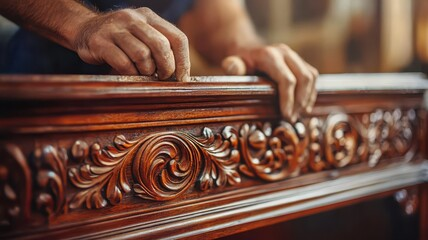
Cabinet Refinishing San Jose CA is a great option for homeowners who want to update the look of their kitchen without committing to a full renovation. It is also less invasive than refacing, which typically requires tearing out old cabinets and installing new ones.
Refinishing is appropriate for sturdy wood or medium-density fiberboard (MDF) doors and face frames. It’s also a good choice for cabinet boxes that are structurally sound but showing signs of wear.
Staining
Staining cabinets transforms them from plain-looking storage spaces into stunning showcases of natural wood beauty. The right stain enhances the cabinet’s natural wood grain, while providing protection and durability for years of daily use. Cabinet staining differs from other woodworking projects due to vertical application surfaces and existing finishes, making proper selection and application essential for long-lasting results. From traditional oil-based formulations to gel stains and water-based options, understanding which stain types work best with your particular wood species and project requirements helps you avoid disappointing outcomes.
The refinishing process starts by sanding the surface to remove old varnish and other forms of surface damage. If necessary, minor repairs to the wood may be made to smooth imperfections or eliminate dents and dings. Once the sanding and repair work are complete, a protective sealant is applied to prevent future damage. A polyurethane finish provides a durable, water-resistant layer that makes your cabinet surfaces easy to wipe clean. It also adds a sheen that many homeowners find attractive.
Stains require less maintenance than painted cabinets, allowing you to keep your kitchen looking its best with simple scrubbing or wiping down with a damp cloth. They are also a great way to highlight or accentuate your kitchen’s color scheme and complement the rest of your home décor. However, it’s important to choose the right color, as some woods take stain differently than others and some colors appear different in different lighting conditions. To ensure you’re getting the color you want, test the stain on a hidden area before starting your project.
Water damage is a common problem for older cabinetry, especially when exposed to moisture over extended periods of time. This can be caused by leaky pipes, splashes from the sink or simply high humidity levels. In most cases, water damage is easily remedied with refinishing or cabinet refacing. Water-resistant stain is a good option to protect your investment, as it helps minimize swelling or warping of the wood over time.
If you’re unsure of whether refinishing or refacing is the best solution for your cabinets, consider having a professional service like N-Hance of Wooster help you make the decision. Our experienced professionals have the training and tools to give your cabinets a stunning makeover that adds value and style to your home, possibly even increasing its resale value if you plan to sell in the future.
Painting
Changing cabinet colors is a great way to give your kitchen an immediate visual upgrade without a major renovation. Bold colors can change the entire look and feel of your space, while semi-gloss or high-gloss finish options improve durability and make cleanup easier. If you’re planning to sell your home soon, the right color can also help increase value. However, painting doesn’t address structural issues, so it’s important to hire a professional to properly prepare your cabinets for paint.
A good paint job requires careful surface preparation, including light sanding and chemical stripping where necessary. This will eliminate existing damage and prepare your cabinets for a new coat of paint. It’s recommended to use a modern waterborne polyurethane for maximum durability. Frederick Painting technicians follow strict quality control guidelines for all refinishing projects to ensure the best results.
In addition to paint, refinishing is also an excellent time to consider upgrading hardware for your cabinets. Outdated hinges and handles can wear down over time, causing doors to become loose or jam. New hardware will instantly brighten the kitchen and add a fresh, modern touch.
When to Refinish Cabinets
Sometimes, your cabinets simply look outdated, and that’s not necessarily due to wear or damage. Trends in kitchen design shift over time, and what was trendy ten years ago may now be out of style. A fresh coat of stain or paint can restore your cabinetry to its original glory.
Cabinet refinishing works well for cabinets that are structurally sound but don’t have a cohesive aesthetic. It’s also a good choice if you want to address superficial scratches, stains, or other damage with new paint.
Refinishing involves removing your cabinet doors and drawer fronts, sanding the surfaces, and applying a new coat of paint or stain. This can be done on wood cabinetry, engineered wood, or medium-density fiberboard (MDF). Before starting your refinishing project, it’s crucial to remove any scuff marks and other imperfections with an orbital sander or hand sander. Using a degreaser is also important to remove oils, waxes, and smoke residue that can prevent adhesion.
Veneering
When refinishing cabinets with veneers, it is important to be careful and take the time to do a thorough job. This will ensure that the new finish will last and will not crack, chip or peel. It is also important to use a quality primer designed for glossy or smooth surfaces and apply it according to the manufacturer’s instructions. A good primer will help the paint adhere and will provide a long-lasting finish.
Cabinet refacing can offer homeowners with a fresh, updated look without the cost of replacing their existing cabinets. However, the type of material you choose can make or break your remodeling project. Veneers are one option, but there are other options for cabinet refacing that can give you a more dramatic change in your kitchen.
Using wood on wood veneers, also known as 2-ply veneers, is one way to give your cabinets a more unique and sophisticated look. This type of veneer is made from two layers, with the decorative face veneer glued to a stable backer veneer. The grains of the face veneer are vertical to prevent warping and bubbles. This type of veneer is available in a variety of wood species and finishes. You can even find exclusive design veneers with stripes or ribbons, crowns and other fancy shapes.
Another option is to use phenolic-backed veneer, which is typically used for composite, or artificial wood, cabinetry. This type of veneer is not as durable as solid wood, but it can still withstand a great deal of wear and tear. Phenolic backed veneer is often used in places where fire safety is an issue, such as hotels and hospitals.
While veneers are less expensive than solid wood, they can still be damaged. They are not as durable as plywood, and they are prone to moisture damage. Particle board is particularly prone to damage, as it is made from leftover, cheap materials like wood shavings before being glued together. Even though it is more expensive than veneers, solid wood is the most durable and can last for decades.
When choosing a contractor to do your cabinet refacing, be sure to ask about their experience and qualifications. Look for a company with a good reputation, and ask to see examples of their work. They should be happy to answer any questions you may have about their process or products. They should also be willing to share their recommendations based on your specific needs.
Refinishing
Refinishing is a popular option for homeowners seeking to update their kitchen without committing to major structural changes or breaking the bank. In fact, this affordable solution typically costs two-thirds as much as cabinet replacement, making it a smart choice for budget-conscious homeowners looking to refresh their homes’ aesthetics.
The process of refinishing involves stripping, sanding, and staining cabinets to give them new life and a fresh look. The first step is to strip the existing finish, which can be done using chemical strippers or manually with sandpaper. This process is crucial because it provides a smooth surface for staining or painting. Once the cabinets are sanded, they can be stained or painted with a variety of finishes to suit your style.
Keep in mind, however, that refinishing isn’t suitable for every cabinet type. Thermofoil and laminate doors don’t accept paint well, so this method isn’t an effective option for them. Additionally, the refinishing process doesn’t address issues like dings and scratches in the cabinet boxes or door frames, so if you have significant damage, refinishing won’t be enough to help.
Another important factor to consider is the time commitment involved in refinishing. This is a labor-intensive project that can take several days to a couple of weeks depending on the complexity of your chosen finish and the size of your cabinets. This is why it’s a good idea to consult with a professional to ensure the job is done correctly and effectively.
Cabinet replacement is a far more time-consuming process than refinishing. It can often take months to complete, which can be disruptive to daily routines. Additionally, the demolition and installation of new cabinets creates a lot of dust and mess, which can settle on surfaces throughout your home. Refinishing, by contrast, is a much cleaner process. The majority of the work is completed within the cabinet surfaces themselves, minimizing disruption to other parts of your home.