5 Signs Your Remodeling Project Needs a General Contractor

Home remodeling often involves structural work like roofing, framing and plumbing. These should be addressed first before cosmetic items like painting, drywall and flooring are added.

Red flags include a contractor who refuses to pull permits or attempts to skip inspections. This is an indication that they may not be licensed or honest.

1. You’re Not Sure What You Want

General Contractor

It’s perfectly normal to feel a bit overwhelmed when deciding on remodeling options. This is why it’s important to take the time to thoroughly vet contractors, ask the right questions, and read reviews online. After all, this is a big decision and you want to be confident the team you choose will bring your vision to life, exceed expectations, and treat your home with care.

A reliable general contractor will help you find the remodel options that make sense for your budget and goals. They should also provide clear pricing guidelines and a detailed contract to avoid surprises down the road.

Another red flag is a contractor who refuses to provide licensing and insurance information. Licensed contractors have passed background checks, have met professional standards, and are required to carry workers’ compensation, liability, and property damage coverage for your protection. They should be happy to provide you with proof of their credentials and be able to answer any other questions you have about their business practices.

In addition, a trusted home remodeling company will understand the importance of pulling building permits and abide by all applicable codes. Skipping permits can result in fines, unsafe work, and potential issues with resale or insurance claims down the line. Lastly, they should be willing to share their process for handling unforeseeable elements that arise during construction and how they will minimize the impact on your timeline and budget. They should also be willing to address any concerns or worries you may have about having strangers in your home for weeks on end.

2. You’re Not Sure How Long It Will Take

The complexity of the project, weather delays, and other unforeseen issues can add time to the schedule. A general contractor has experience managing these types of situations and will know how to keep the work on track and minimize costly overruns.

The amount of time needed to complete a remodeling project depends on many different factors, but the most important factor is planning ahead. A good GC will take the initial design ideas from the homeowner and build a project scope with clear deliverables and milestones to help the work stay on target. The GC will also review the scope with the city to ensure all required permits are pulled and that the project meets local codes and specs.

Generally, the GC will hire subcontractors to perform the specialized tasks that are required to complete the project. The GC will then get quotes from these subcontractors and add their own overhead costs to give the owner an estimate. This process is standard and a transparent way to manage a construction project.

The GC may “self-perform” some of the labor, such as demolition or carpentry, and subcontract others like plumbing and electrical. This allows the GC to save money on management fees while providing consistency and quality.

A reputable GC will explain their pricing structure and provide a detailed payment plan (known as a draw schedule). This will list when payments are due, usually based on when the project reaches certain stages of completion.

Often, the GC will require a small percentage of the total cost to start the job. This is normal, and helps to prevent a large cash outlay at the beginning of the project. However, be wary of a GC that requires more than 50% upfront to start work. This is typically a red flag that they are either having financial problems or trying to avoid taxes and insurance liability.

A quality GC will value the relationship with the client and will treat the home as though it were their own. They will protect personal belongings, maintain clean work areas, and keep the construction site as safe as possible during the project. They will also outline their plans for protecting your house from debris and disruption in their estimates and contracts.

3. You’re Not Sure How Much It Will Cost

If you’re not sure how much your home improvement project will cost, it’s important to have an expert on your team who can help. General contractors can provide accurate estimates based on the information you give them, including plans and specs. They can also help you understand the costs of different options so that you can make informed decisions about the scope and budget of your project.

A good GC will help you avoid costly surprises by ensuring that the work meets city specifications, the contract is clear, and that you’re not paying for services that don’t match your needs. They’ll also have the expertise to manage hiccups that might arise during construction so that your project stays on schedule.

When you’re comparing bids from general contractors, look beyond the dollar amount and consider how each contractor will approach your project. Ask each company for a detailed breakdown of expenses and whether the estimate includes any building permits, cleanup and trash removal. Make sure that you get firm start and end dates for the job. A trustworthy contractor will be honest and up front about what is and isn’t included, avoiding hidden fees or add-ons that can drive the bill up.

You can choose from a variety of payment structures for your project, but lump sum and stipulated sum are common. In a lump sum structure, your GC will quote you a total price for all labor and materials that is inclusive of a % markup (which covers overhead and profit).

In a stipulated sum contract, your GC will work with subcontractors to create the detailed estimate of the job’s requirements. Once they’ve collected all quotes from the subcontractors, your GC will review and analyze these documents to determine their own price for the work. In either case, your GC should always be transparent about their pricing and explain how they arrived at their figure.

A reputable GC will ensure that the right people are paid on time for their work, and they will handle all of the paperwork involved in getting payments to subcontractors. If you’re concerned that your GC may not be meeting these obligations, it’s a good idea to check references and see how other homeowners have dealt with this issue in the past.

4. You’re Not Sure What You Need

You may not be able to predict exactly what you need when it comes to remodeling. For example, if you’re updating for kids, you’ll want kid-friendly features and durable materials that are easy to clean. If you’re aging in place, you’ll need accessible storage and safety features to ensure that you can live safely in your home as you age. A general contractor can help you figure out exactly what your remodel will involve. They can also help you determine if a permit is required for your project, which can be pricey but necessary if you want to make sure that everything is documented and done correctly.

You’ll also want to know how your remodel will affect key areas of your house (like water and electricity) so you can plan accordingly. You may need to move things out of the way, or you may need to create a safe zone for kids and pets during the work. You may also need to store valuables and documents somewhere safe.
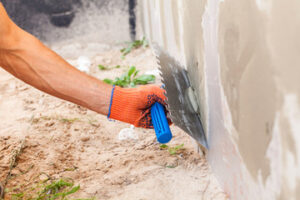
Professional Foundation Repair Solutions to Restore Structural Stability and Safety

A building’s foundation is the backbone of its structure. Any compromise in the foundation can lead to severe issues, affecting both safety and property value. Over time, foundations may experience problems such as cracks, settlement, water damage, and soil instability. Addressing these issues with professional Foundation Repair Murfreesboro TN ensures structural stability, prolongs the lifespan of the building, and protects occupants.

Understanding the Importance of a Stable Foundation

foundation repair

The foundation distributes the weight of the structure evenly across the soil, preventing uneven settling or shifting. When the foundation is compromised, it can result in structural damage, safety hazards, and costly repairs. Foundations are influenced by various factors, including soil type, moisture levels, construction quality, and environmental conditions. Recognizing the signs of foundation issues early is critical to preventing long-term damage.

Common warning signs include cracks in walls or floors, uneven or sloping flooring, doors and windows that stick, bowing walls, and water intrusion in basements or crawl spaces. Even minor signs should be evaluated promptly, as foundation problems often worsen over time.

Common Foundation Problems

Foundation issues can occur in many forms, each requiring specific solutions. Understanding these problems helps property owners determine the appropriate professional repair approach.

1. Foundation Cracks

Cracks are one of the most frequently observed foundation issues. They can appear in concrete walls, floors, or masonry surfaces. While small hairline cracks are often a natural result of settling, larger cracks—particularly horizontal or stair-step patterns—may indicate structural concerns. Cracks that allow water penetration are especially dangerous, as moisture can weaken the foundation and promote mold growth.

2. Foundation Settlement

Settlement occurs when the soil beneath the foundation compresses unevenly, causing portions of the structure to sink. Uneven floors, tilted walls, and misaligned doors and windows are common indicators. Settlement can result from poor soil compaction during construction, erosion, or changes in moisture content. Left untreated, settlement can lead to serious structural damage.

3. Foundation Heaving

Heaving happens when soil expands, typically due to moisture fluctuations, forcing the foundation upward. This can create cracks in walls, floors, and driveways, compromising the structural integrity of the building. Clay-rich soils are particularly susceptible to heaving.

4. Water Damage and Hydrostatic Pressure

Excess water around a foundation can generate hydrostatic pressure, which pushes water into basements or crawl spaces. Prolonged exposure to moisture can weaken structural components, cause mold growth, and damage interior finishes. Poor drainage and improper grading exacerbate these issues.

5. Bowing or Leaning Walls

Basement walls may bow or lean due to lateral pressure from surrounding soil. This is common when walls lack proper reinforcement or are exposed to excessive moisture. Bowing walls pose serious structural risks and require prompt professional attention.

6. Soil Erosion and Poor Drainage

Erosion or poor drainage can wash away soil beneath a foundation, creating voids and destabilizing the structure. Proper grading and drainage systems are essential for preventing soil movement and maintaining foundation stability.

Professional Foundation Repair Solutions

Professional foundation repair services address these issues with targeted solutions designed to restore structural integrity and safety. These methods are chosen based on the type and severity of the problem.

1. Crack Repair

Cracks in concrete or masonry are repaired using materials such as epoxy or polyurethane injections. These solutions fill gaps, restore strength, and prevent water infiltration. Small cracks may only require surface sealing, while larger cracks often need reinforcement. Professional crack repair ensures long-term durability and prevents further deterioration.

2. Foundation Underpinning

Underpinning strengthens and stabilizes foundations by extending support deeper into stable soil layers. Techniques like piering use steel or concrete piers to redistribute the building’s load and prevent further sinking. Underpinning is effective for foundations experiencing settlement or unstable soil conditions.

3. Slab Jacking (Mudjacking)

Slab jacking is used to lift sunken concrete slabs to their original level. A grout mixture is pumped beneath the slab to fill voids and stabilize the soil, restoring a level surface. This method is commonly applied to patios, driveways, and concrete floors affected by uneven settling.

4. Foundation Wall Reinforcement

Bowing or leaning walls are reinforced using wall anchors, steel braces, or carbon fiber strips. Carbon fiber strips are particularly popular due to their strength, low profile, and ability to provide long-term support without major structural alterations. Reinforcing walls prevents further movement and stabilizes the structure.

5. Waterproofing and Drainage Solutions

Addressing water damage involves proper drainage and waterproofing. Exterior solutions include French drains, grading adjustments, and waterproof membranes to divert water away from the foundation. Interior solutions, such as sump pumps and vapor barriers, protect against water infiltration and reduce hydrostatic pressure. These measures prevent future damage and protect the foundation from moisture-related issues.

6. Soil Stabilization

Foundations affected by expansive or unstable soils benefit from soil stabilization. This can involve injecting stabilizing compounds, improving soil compaction, or adding engineered fill to create a solid base. Stabilizing the soil prevents heaving, settlement, and erosion, ensuring long-term foundation stability.

Preventive Measures for Long-Term Protection

Preventing foundation problems is just as important as repairing them. Property owners can take proactive measures to maintain foundation stability and minimize the risk of future damage.

  • Regular Inspections – Conduct routine checks for cracks, uneven floors, or water intrusion to catch problems early.
  • Proper Drainage – Ensure gutters, downspouts, and grading direct water away from the foundation. Avoid excessive watering near the building perimeter.
  • Soil Moisture Management – Maintain consistent soil moisture levels to prevent expansive soil issues.
  • Tree and Plant Placement – Avoid planting large trees or shrubs too close to the foundation, as roots can disrupt soil stability.
  • Routine Maintenance – Seal minor cracks promptly, maintain exterior grading, and inspect basement walls for signs of movement or moisture.

These preventive steps reduce the likelihood of major foundation issues, preserving structural integrity and extending the life of the building.

Signs That Professional Repair Is Needed

Some foundation issues require professional evaluation and intervention. Signs indicating the need for professional repair include:

  • Cracks wider than 1/4 inch, especially horizontal or stair-step cracks.
  • Doors and windows that stick or do not close properly.
  • Uneven, sloping, or sagging floors.
  • Bowing or leaning basement walls.
  • Persistent water seepage or moisture issues around the foundation.

Professional foundation repair experts can accurately assess the severity of the problem, recommend appropriate solutions, and implement repairs that restore stability and safety.

Choosing the Right Foundation Repair Service

Selecting a reputable foundation repair service is critical for quality results and long-term protection. Property owners should consider:

  • Experience and Expertise – Choose companies with a proven track record in diagnosing and repairing foundation problems.
  • Comprehensive Assessments – Reputable services provide thorough inspections and detailed repair plans.
  • Warranty and Follow-Up – Reliable companies offer warranties and ongoing support to ensure repairs remain effective.
  • Transparent Pricing – Clear estimates and cost breakdowns prevent surprises and ensure informed decision-making.
  • Customer Feedback – Reviews and testimonials offer insight into reliability, craftsmanship, and professionalism.

Working with a professional ensures that repairs are executed safely, efficiently, and with long-term effectiveness.

Professional foundation repair solutions are essential for maintaining structural stability and safety. Common foundation problems—such as cracks, settlement, heaving, water damage, and bowing walls—can compromise a building if left unaddressed. Identifying these issues early and applying appropriate repair techniques prevents further damage and protects the property’s value.

Repair methods such as crack sealing, underpinning, slab jacking, wall reinforcement, waterproofing, and soil stabilization provide targeted solutions for specific foundation challenges. Additionally, preventive measures, including proper drainage, soil moisture management, and routine inspections, help preserve the foundation over time.

Investing in professional foundation repair services ensures that buildings remain safe, stable, and structurally sound. Whether addressing minor cracks or extensive settlement, professional solutions restore the integrity of the foundation and provide peace of mind for property owners, ensuring long-term protection for years to come.