From bold facades that define brand identity to sustainable and intelligent building systems that enhance performance, architectural metal is reshaping the landscape of modern business spaces. How can you incorporate these innovative metal components into your project?
Expanded metal is a versatile material that combines design, engineering, and fabrication. Learn how architects use it to add texture, form, and color to their projects. Visit Architectural Metal Works to learn more.
Versatility
Whether they’re the load-bearing beams that give skyscrapers their structural integrity or the decorative metal elements that embellish modern homes, architectural metal works are reshaping the future of design. They bring a level of artistry and sophistication to building projects that’s unmatched by any other material.
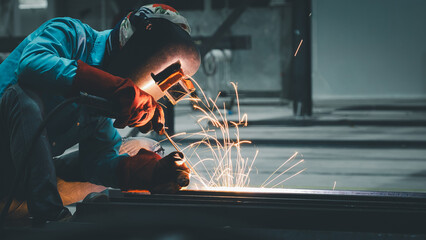
Architectural metal fabrication is a form of metalwork that turns raw materials into functional and decorative elements that enhance the appearance of buildings. It can be molded, bent, welded, carved or cut to create unique shapes that are used in both the exterior and interior of structures. Metal has become a popular material for sculptural and decorative architectural features because of its versatility and durability.
Metal can be used as a foundational component in many construction projects or it can act as a finishing touch to complement other materials. For example, the steel columns of a modern office building can be combined with bronze or copper railing to add visual contrast and elegance. This combination also helps to tie the building together and create a cohesive aesthetic.
Another great benefit of architectural metal is that it can be manipulated into almost any style. From the classic art deco style of the Chrysler Building to the clean lines of a contemporary home, metal can be crafted to fit any aesthetic. In addition, metal is often a more durable material than other materials, making it ideal for the weather and environmental conditions of a particular location.
A good example of this is the facade of the Salesforce Transit Center in San Francisco. This building is a showcase for the latest trends in architectural metal fabrication, which include perforated panels that allow light to filter in and create captivating shadows. These panels are arranged to mimic the movement of sunlight through trees, creating an organic, undulating appearance that’s both beautiful and functional.
Decorative architectural metals are also commonly seen in places like airport terminals and sports arenas, where they serve both a practical purpose (e.g., they keep people safe) and a decorative one (e.g., they look awesome). The dividers in Utah State University’s Rice-Eccles Stadium are a perfect example of this. These dividers are made from aluminum tubes that function as the support and aluminum perforated panels that act as the decoration.
Durability
Whether you are adding metal to modern or classic styles, architectural metal works will elevate your project’s aesthetic while providing strength and stability. This type of fabricated metal is often used in structural elements like handrails, walls, gates, and awnings and can be coated in a variety of colors to complement the design aesthetic of any space. Stainless steel is a popular option, as it can be polished to reflect light and provide visual interest.
Metal is also a durable material, which means that it can be used in a wide range of weather conditions. In addition, custom metalwork can be designed to meet the specific needs of a project and to fit seamlessly into existing architectural drawings and site conditions. This eliminates stress points and misalignment, which reduces the need for future replacement or repairs. Additionally, many fabricated components use recycled materials and offer energy efficiency benefits.
While we tend to think of metal fabrication as the building of basic metal structures, it’s actually a much more involved process. Fabricated architectural metal combines construction, materials science, and engineering to craft visually-striking and functional components and structures in homes, buildings, offices, stores, and restaurants. It requires precision and experience, but it can also transform spaces that are otherwise ordinary or drab.
Many people do not realize that architectural metal isn’t just decorative; it’s also functional. It’s the skeleton of the skyline, after all. Structural steel supports all of the tallest buildings in the world and keeps them standing. It’s also often used in safety railing for stairs and landings to keep people from falling. At Utah State University’s Maverik Stadium, a combination of aluminum tube-acting as the support and aluminum perforated panels-acting as the decoration combine to create a unique structural railing that looks amazing and keeps people safe.
When it comes to achieving aesthetic and functional results, the right metal fabrication partner is essential. A knowledgeable team will work closely with architects and engineers to ensure that the final product is compatible with existing plans and site conditions. This approach avoids costly mistakes and delivers a result that meets the original design intent.
Sustainability
Whether it’s the iconic titanium facade of the Guggenheim Museum in Bilbao or the innovative surface finishes that allow natural light to play across the interiors of the Rio Tinto offices, metal fabrication plays an integral role in elevating modern building design. Beyond being durable and aesthetically stunning, however, it can also serve an important functional role for sustainable structures.
Many people associate “metal fabrication” with large, industrial projects involving steel, but architectural metal work is much more than that. It’s the art of crafting visually-striking and functional components and structures that breathe life into buildings, homes, businesses, stores, restaurants, and more. From intricate facades and decorative panels to moveable dividers and cladding, the possibilities are endless.
The sustainability movement aims to make buildings kinder to the environment by using environmentally friendly materials and reducing energy usage. Metals are at the forefront of this movement, as they can be recycled and reused without losing their strength or quality. The ability to recycle metals also reduces the need for mining and extraction of new raw materials, which reduces the environmental impact of a project.
In addition to being an eco-friendly choice, metals are incredibly versatile in terms of how they can be used. For example, in addition to being recyclable, aluminum can be reshaped and reformed into different designs, making it perfect for building facades or other creative elements. Steel, on the other hand, is a much stronger and more rigid material that can be used to support heavy structures or form geometric shapes.
Besides being an eco-friendly option, the right facade or wall cladding can increase a building’s energy efficiency and reduce the need for artificial heating and cooling. For instance, metal can reflect sunlight and heat to keep a building cool in the summer and warm in the winter. Additionally, it can be incorporated into energy-efficient systems that optimize the use of natural lighting and thermal insulation.
Unlike carpet or wood, metals can be recycled over and over again, making them a much more sustainable option for the long term. Metal recycling is a closed-loop process that eliminates waste and minimizes the need for mining and extraction of raw materials. This means less pollution and more sustainable construction for future generations.
Innovation
While many people think of metal fabrication as the construction of a building’s foundation, architectural metal work is far more creative than that. It’s the process of crafting visually-striking and functional components and structures in commercial buildings, offices, homes, and more. It’s a craft that combines the knowledge of architectural design, construction, materials science, and metalworking to elevate the aesthetic and functionality of modern spaces.
One of the biggest benefits of architectural metal is its ability to create unique shapes and textures. Its versatility allows designers to incorporate metal into a variety of aesthetics, from sleek and clean to bold and dynamic. For example, the Rio Tinto corporate office in Chicago features a decorative, bronze-like wall display that adds a pop of color to an otherwise simple space. This type of textured metal can enhance the visual appeal of a space while also providing a tactile element that improves the experience for visitors and employees.
When used in modern corporate environments, custom architectural metal works are a powerful way to express company culture and branding. For example, a custom-designed curved metal wall can make a statement at an executive headquarters or tech campus, while a decorative metal facade can showcase a brand’s heritage and values. Additionally, integrating smart systems into the structure’s fabric enables businesses to respond to real-time occupancy and energy demand to boost performance and operational efficiency.
Another important benefit of architectural metal is its sustainability. Many types of metal are recycled and reused, reducing the need to extract raw materials. Additionally, many metals can be fabricated with reflective surfaces to reduce heat gain and cooling costs, which lowers the building’s environmental impact. Finally, the use of insulated metal panels and ventilated facades can improve a building’s energy efficiency by lowering its energy load.
As the future of architecture moves toward more intelligent, technology-driven ecosystems, metals will play a larger role in enhancing building design. Advanced manufacturing processes allow designers to bend and shape metal into unique forms, enabling them to push the boundaries of what’s possible for tomorrow’s buildings.