Deck building is a key element of a successful construction project. It’s important to select the right materials and follow best practices to ensure a safe and efficient build.
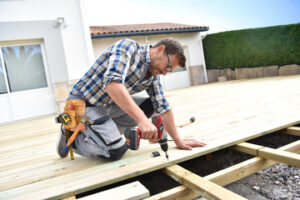
For example, concrete deck blocks are a safe option for a new deck. They’re less expensive than traditional posts and will withstand most weather conditions.
When calculating the cost to build a deck, you need to consider the materials you want to use as well as the labor costs. Materials account for a significant portion of the total cost and can vary significantly, depending on your chosen material and contractor expertise. Composites, for example, are typically more expensive than traditional lumber, but they don’t splinter and are weather-resistant, which can reduce maintenance expenses.
The height of your deck also impacts the overall cost to build it, as elevated decks require additional support structures. For example, second story decks often require pillars to support the structure, which increases both labor and material costs.
Additionally, you’ll need to factor in the cost of excavation and construction of footings if your deck will be built on a raised foundation. You’ll also need to pay for the cost of any necessary permits or inspections. In some cases, your contractor may be able to handle this for you; however, it’s best to contact your local building department and homeowners association to find out what is required. Finally, you’ll need to consider the cost of demolition if your deck will be replacing an existing structure. Make sure to call 811 before digging to have underground utilities marked.
Design
Decks are a great way to expand a home’s living space and bring the outdoors closer. But they can also become a safety hazard if they’re not properly designed or maintained. Fortunately, many online tools can help you plan and design the perfect deck. One example is MiTek’s Deck Designer software, which offers free design and estimating software. Its easy-to-use interface allows users to create and collaborate on projects. It also provides complete material lists and permit submittals.
Deck construction is a big investment, so it’s important to understand how much it will cost before you hire a contractor. To start, you’ll need to determine the materials you want to use. Natural wood options like pine and redwood are popular choices for residential decks. However, they require regular maintenance to avoid rot and pest damage. Meanwhile, hardwoods such as ipe and mahogany are more expensive but require less maintenance.
To support a deck, you’ll need to build foundations called footings. These concrete pillars help spread the load of the deck over a wider surface area. You’ll also need to install support posts, joists and a ledger board. For safety, make sure your support posts are rated for ground contact and install them in concrete footings. You can also choose to install blocking, which is a small block of wood installed between joists to prevent them from twisting over time.
Materials
Building a deck is a great way to add value to your home and enhance living spaces. However, it’s important to understand the labor involved in this project before hiring a carpentry service. This helps ensure your project stays within budget and meets your expectations.
A variety of factors can influence labor costs, including design complexity and material choice. Elaborate designs and custom features require more time and skill to build, increasing construction costs. Additionally, choosing more expensive materials like composite or exotic woods can raise the overall cost of the project.
It’s also important to consider the geographical location of your project, as regional labor rates vary. Labor rates in major cities may be higher than in rural areas, and some areas experience a shortage of skilled workers. In addition, local weather conditions can extend the timeline for a project, leading to higher labor expenses.
To keep costs down, choose a simple platform design and standardized materials. For example, using pressure treated wood can reduce the price by a few dollars per square foot. Other budget-friendly options include cedar and redwood. These types of softwood are lightweight, easy to work with, and resist rot and insect infestation. Ipe, a tropical hardwood, is more durable and long-lasting, but comes with a premium price tag.
Labor
Building a new deck may seem like an easy DIY project, but local building codes require that it follow certain guidelines. These rules vary by municipality, and it’s important to know what they are before you begin construction. Checking with your city can help you avoid costly mistakes that may result in a costly fine or even the destruction of your new deck. You’ll also need to check with your homeowners association if you live in a neighborhood that has restrictions on building heights and setbacks from sidewalks and property lines.
The cost of labor is another factor that will impact your total expenditure. Labor rates can vary widely, depending on the contractor’s expertise and location. A professional builder can help you estimate labor costs and prepare a realistic budget for your project.
The requirements for deck building include having a handrail and having the deck slope away from your home’s foundation. You’ll also need to install a guardrail if the deck is 30 inches or more above ground level. The guardrail must be at least 36 inches high and have 4-inch baluster spacing. You must use bolts or lag screws to attach ledger boards, not nails, and the deck posts must be threaded.
Permits
If you want to build a deck, it’s important to understand the requirements for getting a permit. Without a permit, you could face fines or even have to tear down your newly built deck. However, this is a risk that can be avoided with the proper planning and inspections.
To begin the process, contact your local building inspection office to learn what your requirements are for a deck. These may include setbacks, height restrictions, structural support requirements, and stairway and railing construction. The inspection office can also tell you about zoning laws and other regulations that should be followed.
Most decks are built from beams, which connect the ledger board to the house framing. These beams must be built from a material that will resist moisture and rot, such as ACQ treated wood or composites. They will typically be anchored to the ledger board using metal joist hangers. The joists should be spaced about 16 in. on center, or slightly less, for the best rigidity.
In addition to the frame, most decks require a stairway and railings to meet code requirements. Stairways and railings can be quite complex to build, but they offer plenty of style options for your new deck.
Customizations
Homeowners can maximize their deck’s utility and aesthetics by incorporating customizable features like built-in storage, modular seating, and a sturdy hammock stand. They can also add amenities like a pergola, water installations and lighting features to turn their deck into the ultimate outdoor living space.
Whether a homeowner chooses pressure-treated lumber, cedar or composite decking, the right material will ensure long-term durability and minimal maintenance costs. Composite materials also require less frequent staining and sealing than natural wood, making them a smarter choice for homeowners with busy lifestyles.
The design of the deck should seamlessly integrate with the architecture of the house and complement the color palette and landscaping. This ensures that the deck looks like a natural extension of the living space rather than an afterthought. A professionally designed deck should also feature privacy walls and screens to keep neighbors from peering into the property’s private living spaces.
The complexity of the design and layout influences the overall cost of the project. For example, a platform deck is typically easier and more affordable to build than a curved or multi-tiered design. In addition, choosing premium materials or specialized labor can lead to higher upfront costs.
Refurbishing
Refurbishing a deck involves repairing the surface of the wood and replacing any damaged boards. This is a common home improvement project that can be relatively affordable, especially for a small wood or composite deck. However, a large or multi-level deck can be more costly to repair and may require professional assistance.
Wood decking requires regular cleaning, staining, and sealing to protect against moisture damage and sun-based fading. Composite and PVC decking, on the other hand, do not need to be stained or sealed. If you need to refurbish your decking, it’s important to choose a weather-resistant coating and use a high-quality power washer to remove any debris or dirt from the surface. After washing, you can apply a wood brightener to restore the luster of the wood.
Building a deck can be an expensive, time-consuming project. To reduce costs, it’s best to hire a contractor with extensive experience in deck construction. They’ll help you select cost-effective materials, plan deck dimensions, and secure the necessary permits. They’ll also be familiar with local codes and inspection requirements. A quality builder can make the difference between a beautiful, functional backyard space and an expensive failure. To get the most out of your deck, consider adding custom add-ons like seating and privacy screens to maximize function and aesthetics.